







































5 Tips To Identify AI-Generated Images
-
manishgupta089
- Dec 02, 2024
- 0
- 4 min read

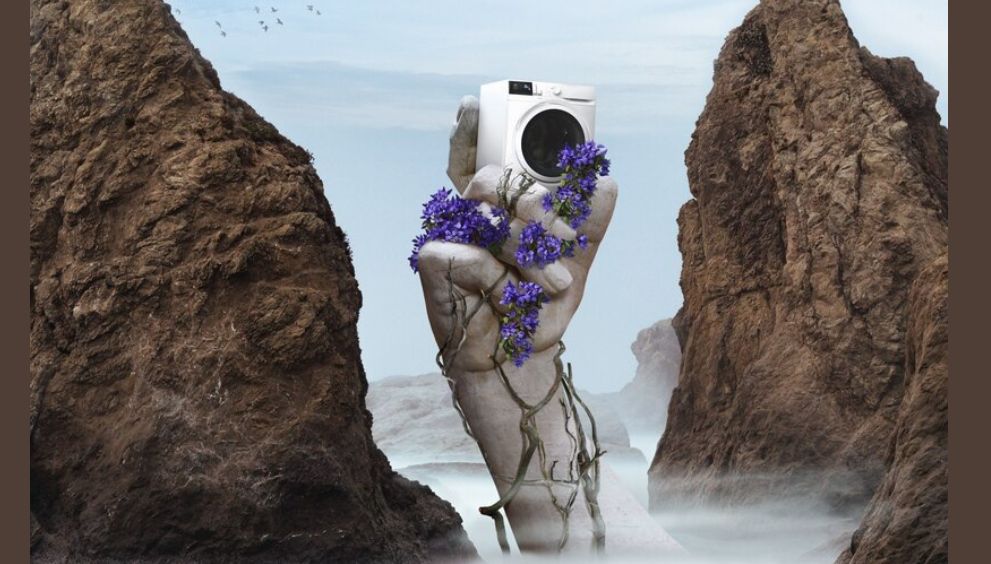
As AI-generated snap shots emerge as extra customary and sophisticated, distinguishing them from actual photos is more and more tough. These pix can seem pretty practical however often include subtle flaws that screen their synthetic origins.
You can become aware of signs and symptoms of AI technology by means of listening to unique elements like texture, consistency, body elements, and the general perfection of the picture.
Additionally, equipment like reverse picture search and Google Bard can help in uncovering the truth behind these pix.
Key tricks to discover faux AI-created photos
One of the handiest and only approaches to discover an AI-generated photograph is with the aid of the usage of a opposite image search. Tools like Google Reverse Image Search, TinEye, or Google Bard can help you add or link an picture and search for similar pix throughout the web.
If the image is AI-generated, you might discover multiple versions or instances of the picture that appear with slight variations, or you could locate no matches in any respect. This can indicate that the picture is artificial or has been currently created and hasn’t been widely shared.
Texture
Texture performs a crucial position in identifying AI-generated snap shots. AI structures, particularly older or less superior ones, frequently struggle with as it should be rendering tricky textures which includes skin, hair, and cloth. When analyzing an photo, search for inconsistencies in those textures.
For example, AI-generated hair may appear unnaturally smooth, clumpy, or overly detailed in some areas whilst missing element in others. Similarly, pores and skin textures might appearance too smooth, plastic-like, or have an unnatural uniformity that does not match actual human pores and skin.
Consistency
Consistency across distinctive elements of the photo is another critical issue. AI-generated photographs often have small inconsistencies that could supply them away. For instance, the lighting inside the picture may not be regular across all gadgets or humans, with shadows falling in unnatural directions or highlights that don’t fit the overall light source.
Another not unusual inconsistency is in reflections or refractions, wherein the AI may warfare to correctly depict how light interacts with surfaces like water, glass, or steel.
Body parts
AI structures frequently face demanding situations while generating practical human anatomy. Body parts, in particular hands, eyes, and ears, are commonplace areas where AI-generated photographs can falter. For example, an AI might produce an photo where someone has too many palms, irregularly formed hands, or eyes that are slightly misaligned.
Additionally, tooth might appear in bizarre patterns, or ears can be asymmetrical. When analysing an photo, pay close attention to these functions to spot any irregularities that might indicate the picture is AI-generated.
Focus on element
Another effective manner to hit upon AI-generated pix is with the aid of focusing on the finer information. AI-generated pics may lack the natural randomness and imperfection located in real photographs. For instance, backgrounds might appear too clean, or styles in fabric or partitions may look too uniform.
Furthermore, AI can war with rendering items like jewellry, garb patterns, or tricky designs, often ensuing in blurry or overly sharp areas that don’t combo obviously with the relaxation of the photograph. By intently analyzing these info, you may frequently stumble on symptoms of AI involvement.
Beware of ‘ideal’ images
AI-generated snap shots often attempt for perfection, but this can be a giveaway. In actual existence, ideal symmetry, wonderful skin, and idealized proportions are uncommon. An image that looks too ideal is probably a signal that it changed into generated with the aid of AI.
For instance, faces which can be flawlessly symmetrical or environments that lack any signs and symptoms of wear and tear or randomness can seem unnatural. Additionally, be aware of how emotions and expressions are portrayed. AI would possibly produce faces with expressions that appear barely off or too impartial, lacking the diffused nuances of actual human emotion.