 technicalmonks
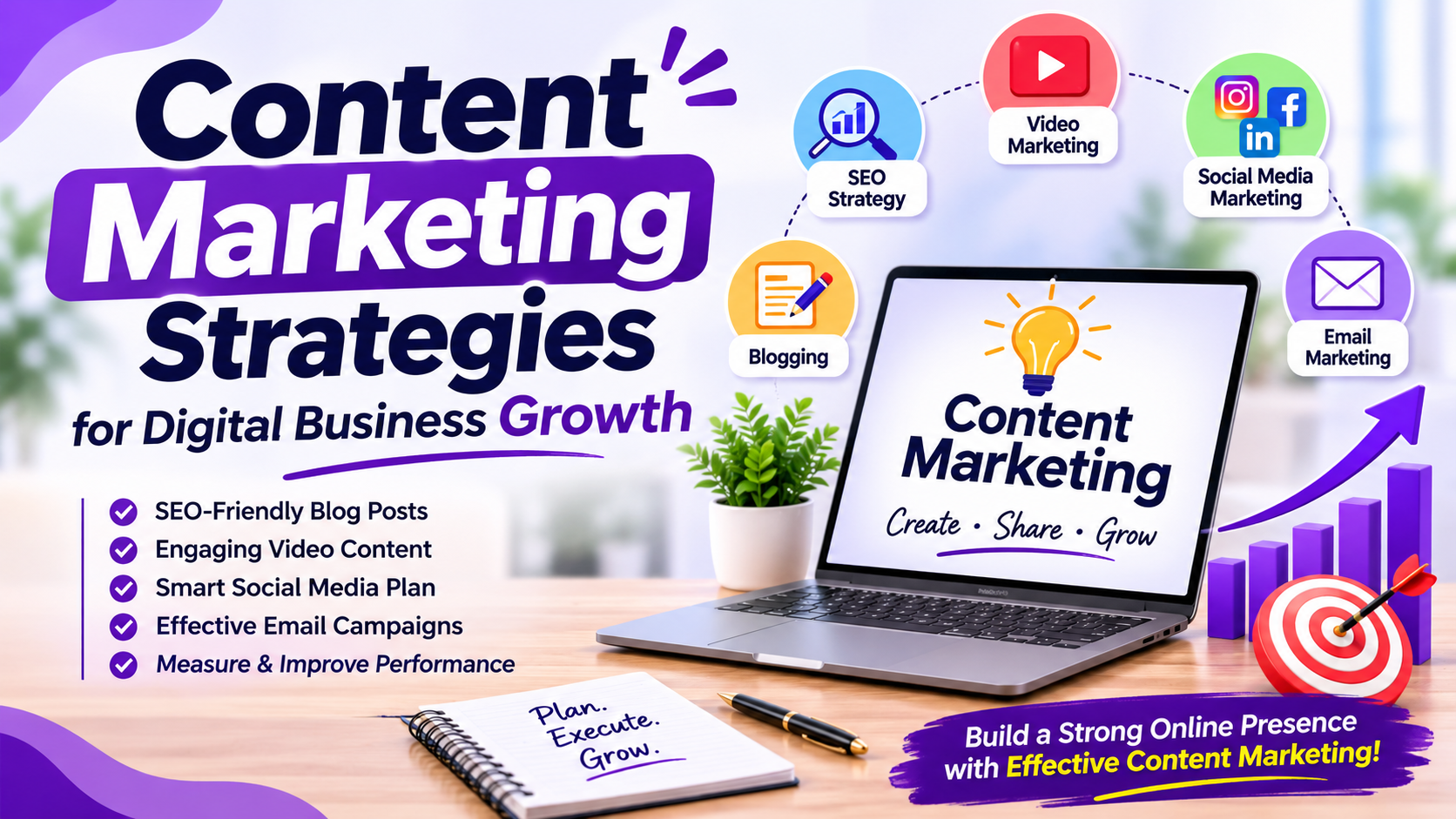
In the digital age, the way brands talk to consumers has evolved. Customers are not solely relying on ads to learn about a product or service. They browse sites, look for relevant content, watch videos, look at other brands, and engage in social chats before buying something. Content is now king for digital marketing.
Businesses don’t just need to post on social media often or update a blog from time to time. They need to be providing good Content Marketing Strategies that send out relevant and valuable information, build recognition and authority and generate connection and conversation.
Content marketing provides a variety of ways to reach customers-from blogs and educational articles to video campaigns and email newsletters. When done consistently, content marketing can help foster your business’ online presence and serve as a foundation for your overall marketing strategy.
What Are Content Marketing Strategies?
Content marketing is a strategic approach to developing, publishing, distributing and measuring the content of digital material to achieve a particular business objective. Instead of reaching out with a sales pitch, businesses offer information that satisfies audience interests, questions and concerns.
They might, for example, publish tutorials on how their technology works if it’s a software company, or guides comparing products if they’re an online retailer.
The aim is to develop a relationship with the audience by providing appropriate information at each stage of the buying process.
If a technique is successful, it usually involves researching your audience, planning your content, choosing keywords, creating schedules of when to publish, methods of distribution, and assessing how you did. All of these should help you achieve a specific marketing goal.
The Need for Content Marketing for Businesses
Content can help your company to position yourself as the authority on the subject in addition to maintaining a presence in vibrant competition.
Advantages At-a-glance Increased online discoverability Search engines can provide those looking for some valuable pages when businesses are producing informative content that are related to their search needs.
How-To guides, helpful descriptions, insights into a niche, and question-and-answer pages all help to show that a business knows who its potential customers are.
Another advantage is that publishing on different websites, social networks and emails allows companies to stay in touch with current customers and, at the same time, target new ones.
Content marketing can be part of your lead generation strategy. Educational content, e-books, webinars, and newsletters can lead readers to meaningful and well-considered actions.
7 Effective Content Marketing Strategies for Digital Growth
1. Understand Your Target Audience
The key to any content campaign is to know its audience. The business needs to understand what their audience likes, preferences, problems and concerns and where their audience spends time online.
Customer questionnaires, website and clickstream analysis, social media and keyword research.
For instance, a digital marketing agency that offers services to small business clients might find that the majority of its audience is looking to find cheap SEO services, website tips, or social media advertising strategies.
These insights assist marketers in creating content that provides solutions to real questions instead of posting with no particular direction.
2. Create SEO-Friendly and Informative Blog Articles
Blogging is still a vital part of digital marketing as it provides companies a chance to educate potential customers on difficult topics, share their knowledge, and draw visitors using search engine optimisation.
A high-quality blog post should be centred on a single subject and contain unique, valuable content. Keyword research can help you determine what your audiences are typing into search engines for related content.
Marketers should always use primary and secondary keywords in their titles, headlines, lead, and in other sections of the product that are relevant.
Make your paragraphs readable, insert headings that help describe content, provide internal links and ensure the content is accurate.
DON’T publish content just to drive more traffic to your website. Instead, focus on usefulness, novelty and search intent.
3. Use Video Content to Improve Audience Engagement
Video marketing offers businesses a new form to showcase concepts and engage with the audience. Product demonstrations, tutorials, interviews, what-goes-on-behind-the-scenes videos and other instructional reels can help explain things better.
Short-form videos can be great for building awareness or launching a campaign on sites like Instagram, YouTube, and Facebook.
Extended videos may contain in-depth tutorials, product demonstrations, and talks on industry-related issues.
Brands need to consider video format based on the preferences of their viewers and marketing goals. Captions, subtitles, titles, descriptions, relevant tags, and calls to action are some ways to enhance videos.
4. Develop a Consistent Social Media Content Plan
Brands use social channels for sharing their content and to engage with their community directly.
Though simply tweeting promotional messages was not enough to keep a successful presence on the web, the business would want to show a smart publishing plan by publishing how-to information, news, graphics, client inquiries and perhaps other relevant news or videos.
For example, a tech firm could post software tips, give information about rising trends in digital, and post short how-to videos.
A content calendar keeps publishing schedules organised and content releases consistent. Also, marketers should keep an eye on comments and respond to relevant questions, as well as analyse which types of content receive engagement.
5. Build an Email Marketing Strategy
Email marketing is still an effective way to stay in touch with a community of your site visitors. Let newsletters tell them about your new articles, product launches, industry news, or educational content.
A good email tactic begins with the prospect of having permission to be on an email subscriber list. The next e-mails ought to be pertinent to the prospect rather than merely prompting them to buy a deal.
Segmenting the audience can help make communication more beneficial through sharing subscriber-based information.
For instance, some clients might send SEO guides to subscribers who have signed up for search marketing information, while others might email social media materials to social media campaign enquirers.
Make the emails useful by having clear subject lines, a mobile-friendly format, and useful links.
6. Repurpose Existing Content Across Multiple Platforms
Developing unique content takes time and effort. Reuse enables companies to maximise the value of the content already created by changing its format.
One blog article can turn into multiple posts on social media, an infographic, a short video, or an email newsletter.
Likewise, the webinar will likely generate content for more educational videos, FAQs, and blog posts.
This allows organisations to produce consistently but still accommodate those consumers who want diverse pieces.
But re-engineered content should be customised to your platform and not merely re-produced with the audiences and their modes of display in mind.
7. Measure Content Performance and Improve Regularly
Content marketing is never done. An article or campaign is no good in isolation; you need to know how it performed for your business in order to make the most of your efforts.
Relevant metrics can be tracked by marketers through tools such as Google Analytics 4 and Google Search Console.
Key metrics are: Organic traffic, Search impressions, Click-through rate (CTR), Engaged sessions, News subscriptions, Enquiry conversions.
Additional social media metrics that Facebook Insights offers are data on how audiences engage, how far they reach, and how well their videos perform.
Use these to inform your success stories; however, optimise competing content to reflect such pages and influence your future publishing calendar.
The Impact of Artificial Intelligence on Content Marketing
Enhances content planning, research and workflows in digital marketing by way of man-made intelligence.
How can AI help in content creation? AI can provide suggested topic ideas for marketers, structure keyword data, compile research into summaries, analyse feedback from audiences and develop first drafts.
You can leverage it to personalise your offerings by helping you gain insight into the interests and communication styles of various audience groups.
Remember, automatically generating the material is not an alternative to reviewing the AI-generated content for accuracy, uniqueness, relevance and clarity. Rapidly publishing unverified content can affect brand reputation.
The most effective approach is a blend of technology, the right people, deep industry insight and real audience understanding.
Frequent Errors in Content Marketing to Keep Away From
Other common errors are: not doing any research on the target audience, keyword stuffing, copying competitors, neglecting older articles, and having only a pitch to offer. Even large businesses can be lost in the abundance of content.
Another mistake is expecting instant results. Typically, visibility in search, audience trust, and regular interaction take time and sustained effort to achieve.
Do not post content on each platform without knowing if your target customer is present in the first place.
A carefully planned publishing schedule with clear goals can sometimes be more effective than an overly complicated schedule.
Conclusion
Content Marketing Strategies. The most successful Content Marketing Strategies enable businesses to engage their audiences through relevant content, regular dialogue, and a valuable digital experience.
Create a more powerful online presence with SEO optimized blogging, social media strategy, video marketing, email marketing, content repurposing and performance measurement.
Focus on delivering real value to your audiences, with each piece of content you create – adapting to the right digital channels as technology and customer behaviours change. This approach will help your business foster a more engaged following and see more sustainable digital growth.