 technicalmonks
A brand’s online reputation can determine whether customers find your business, compare your company to competitors, and decide to do business with you. The average consumer researches a product online, reads reviews, looks for a company’s social media presence, and checks out a business website prior to making a purchase or calling a service provider.
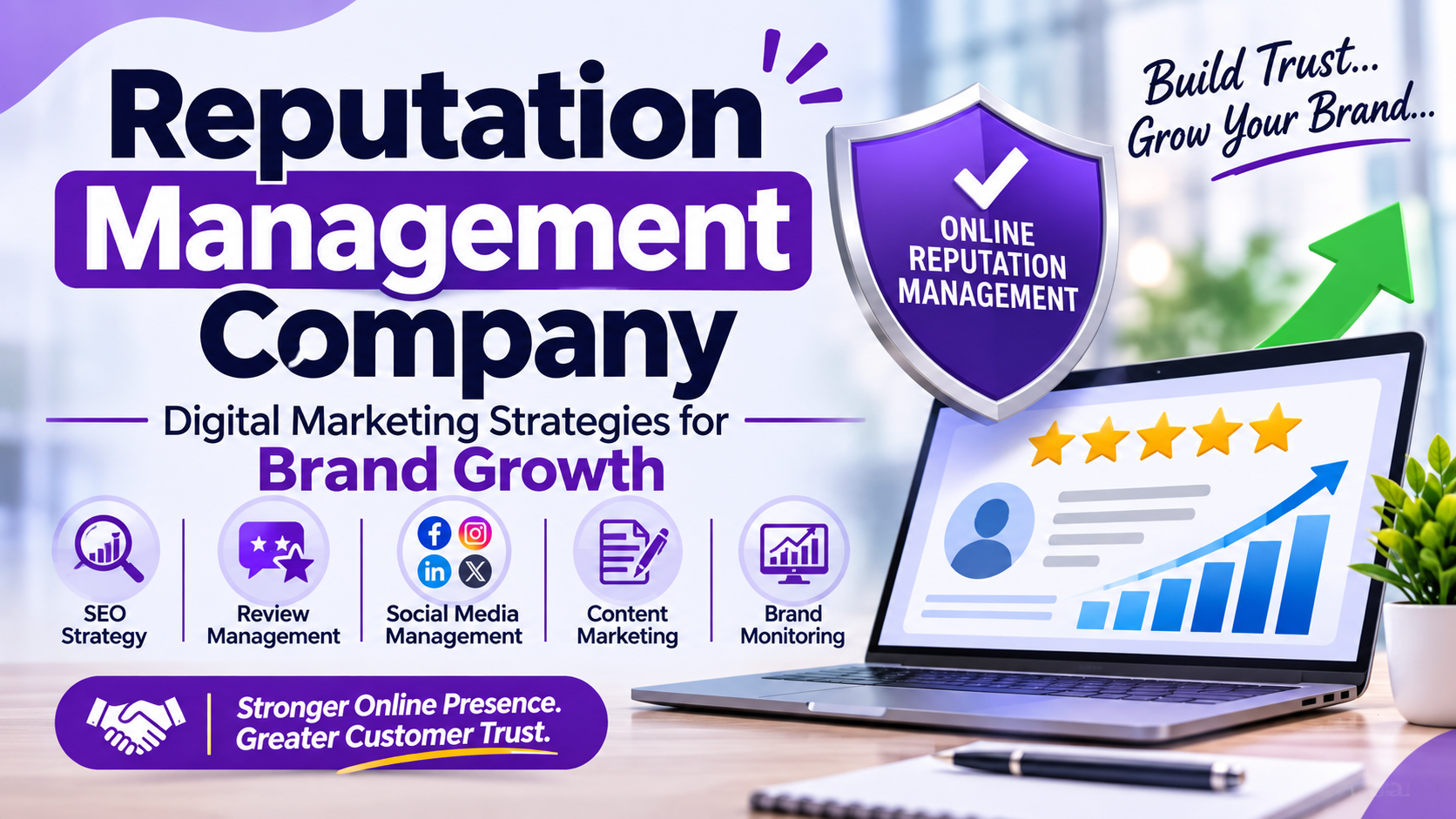
This is when a “Reputation Management Company” comes into play. It can help you establish a genuine online presence by integrating your online reputation monitoring, search engine optimisation, content marketing, social media management, and customer engagement.
Reputation Management is not just responding to negative reviews. It’s about creating a long-term strategy for digital marketing that will showcase the brand’s mission, its areas of excellence, and foster personal relationships with customers.
What Is a Reputation Management Company?
A Reputation Management Company helps businesses track, manage, and enhance the way their brands are viewed on the internet. Their services typically include real-time monitoring, the enhancement of brand presence and prominence, as well as the accuracy of business information.
Such organizations employ various forms of digital marketing to learn how people are interacting with a business over the internet. These forms of digital marketing may include search engine results, social conversations, website content, and others.
For example, if a company is getting low scores from customers about the time it takes to get a response, it may need an improved customer communication process. Likewise, if it isn’t being found on search engines, it might need an SEO and content development plan.
A primary goal is to develop a trustworthy online presence that accurately represents the quality, services, and values of a business.
Why Online Reputation Matters in Digital Marketing
Digital marketing is built around attracting attention, generating interest, and converting potential customers into buyers. However, visibility alone does not guarantee business growth.
Imagine two companies offering similar services. One has an informative website, detailed customer feedback, active social media profiles, and consistent business information. The other has incomplete profiles and unanswered customer questions.
Potential customers may feel more confident exploring the first company because its digital presence provides useful information and greater transparency.
Online reputation influences several important aspects of digital marketing:
Customer Trust: Authentic reviews and helpful responses can make customers more comfortable interacting with a business.
Brand Visibility: Consistent publishing and search engine optimization help customers discover relevant brand information.
Customer Engagement: Responding to questions and feedback creates opportunities for meaningful communication.
Lead Generation: A trustworthy online presence can encourage potential customers to make enquiries or request services.
Brand Recognition: Consistent messaging across different platforms helps businesses establish a recognizable identity.
Top Digital Marketing Techniques Applied by Reputation Management Firms
A good reputation management approach integrates numerous types of digital marketing efforts instead of relying on a single system.
1. Search Engine Optimization for Brand Visibility
SEO is an effective way to control the company’s online reputation. If you search for a business, you can find its website, social media accounts, business information, articles, and customer reviews.
Using keyword research, on-page SEO, content creation, relevant content, and technical SEO can be beneficial to enhance the visibility of highly valuable brand information.
Branded search optimisation plays a crucial role. This is where optimisation is aimed at displaying all relevant and correct information about your company in the search results when your name or services are searched.
Writing relevant articles, pages on your website or other websites, and relevant service descriptions is another technique you can use.
2. Customer Review Monitoring and Management
Customer reviews help you understand how individuals encounter a brand. User reviews on Google and industry-specific platforms can shape customer expectations and purchase decisions.
Online reputation management specialists keep tabs on what customers are saying and assist brands in creating a systematic plan of response.
This involves addressing customer complaints, responding to real questions, thanking satisfied customers, and pinpointing common service issues.
Advertisers need to promote authentic feedback, avoid paying for reviews, and avoid buying a positive rating. Customers’ genuine experiences will ensure a far more credible idea of the brand.
3. Social Media Reputation Management
Interaction via social media: Customers can directly communicate with a company through social media. Comments, messages, contributions, and public communication channels (like tweets) can have an impact on how other people view a brand.
Method of Implementation: Regular account monitoring, timely responses, interesting posts, and continuous communication from the brand will be key for implementation.
On the other hand, a business can create an educational post, promote its new services, clear up FAQs, and even share real customer experiences with their endorsement.
They can even use social listening platforms to discover if and what the audience says about their industry.
4. Content Marketing and Brand Authority
Content marketing: Another vital aspect of online reputation management is content marketing. Regularly providing helpful content to readers is a great way to position a business as an authority in the industry.
Blog posts, case studies, industry-wide articles, how-to guides, FAQs, and guides/education resources can contribute to positioning a brand as an expert.
Consider one example of a digital marketing agency that could create articles around SEO methods, website building, social media advertisements, and digital advertising trends.
The content should focus on quality, genuineness, and business needs – not generate traffic only.
5. Online Brand Monitoring and Competitor Analysis
It also enables brands to understand the health of their reputation in the digital space. By monitoring online activity, companies can track fluctuations in brand sentiment, identify new messaging opportunities, and address emerging communication issues.
Monitoring tools, search engine research, and social media analytics can be utilized by a Reputation Management Company to monitor where and how often your brand is being mentioned and reviewed.
It can help you do competitor research too. You can look at how your competition talks to their customers, how they market themselves, how they respond to complaints publicly, etc.
This information will show you what you can do better in your own digital marketing strategy than someone else without having to mimic the identity and content of the other brand.
AI and the Future of reputation management
It’s transforming digital marketers’ ability to gather and analyze data. AI will be able to assist in sorting through customer reviews, looking for common themes across ratings, tracking brand mentions, and scouring massive online communities for insights.
For instance, sentiment analysis can be used to determine if conversations are generally about customers feeling happy, unhappy, or have neutral feelings about something.
It can be used to enhance workflows that include a content planning and customer service checklist by recommending appropriate responses and pinpointing the most common questions asked.
Automatic content should not substitute for human discretion. Customer concerns are best handled on an individual basis. Sensitive publications should be checked over by a human before going out.
It can improve the efficiency and consistency of reputation management in combination with human ability.
Picking the Right Reputation Management Company
When choosing a service provider, look at its track record, approach, communication, and reporting process.
Promoters should seek out organizations with open programs that articulate how their work contributes to overall marketing goals.
Other key considerations are:
- SEO Knowledge: Ask if they have a basic understanding of search optimization and branding searches.
- Find out how it manages reviews and how it responds to them.
- Content: Look at the kind of original and helpful brand content they are creating.
- Reporting: Seek quantifiable performance reports for the activities and results you desire.
- Professional Rankings – Do not select service providers who guarantee individual ranking, create phony reviews, or remove any type of negative remarks.
You need to get someone you can go with, to hope for genuine change, not promises they can’t keep.
Evaluating the Effectiveness of Reputation Management
Measure your reputation management – Key metrics: The business should consider the following metrics – review response times, review volume, review sentiment, branded search visibility, engagement on website, referring traffic and enquiry conversion.
This makes it more understandable how reputation activities relate to digital marketing results.
Finally, remember that it can take time to build reputation. Customer experiences, search industry competition, and search engine behavior are constantly changing.
Frequent assessment helps businesses recognize successful activities, enabling them to change them as and when needed.
Conclusion
In today’s online landscape, digital reputation management is a crucial ingredient in building a thriving business. Reputation Management is a cocktail of search engine optimization, customer review management, social media listening, content marketing, and artificial intelligence-based analysis.
Don’t just dwell on reviews and ratings. Used as part of an overall digital marketing plan, online reputation management is key for brands to receive constructive feedback, share valuable content, respond professionally, and interact more openly with their consumers.
Brand reputation management is critical for sustainable growth in a business market where digital impressions are dictating buying decisions.