 technicalmonks
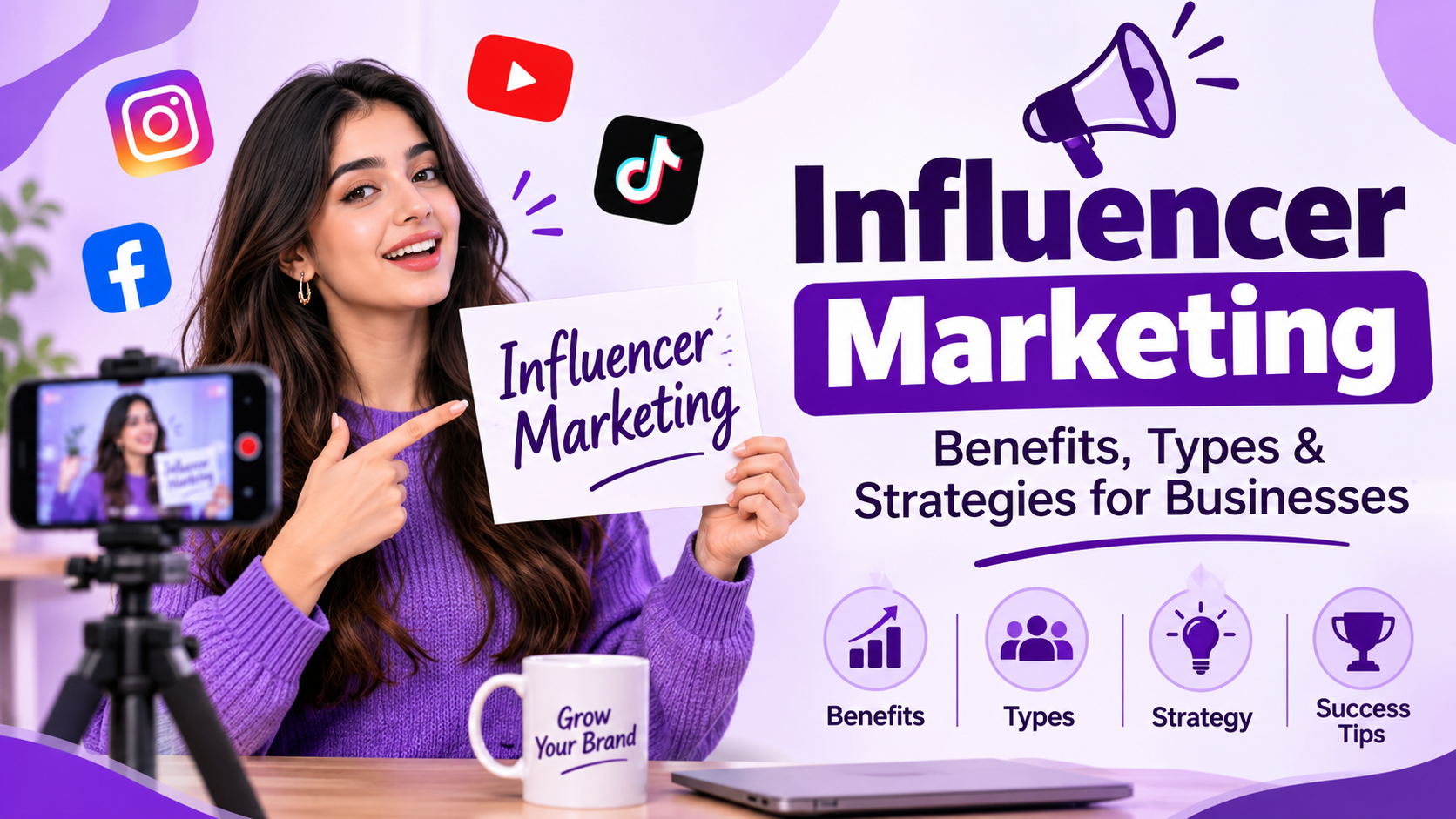
The way people discover and evaluate products has changed significantly with the growth of social media. Consumers no longer depend entirely on traditional advertisements when making purchasing decisions. They also explore online reviews, watch product demonstrations, follow content creators, and consider recommendations from people whose opinions they trust. This shift has made Influencer Marketing an important part of modern digital communication.
Businesses are catching up – building stronger connections with social media influencers, industry thought leaders, and content providers. Instead of creating powerful advertising messages, they’re telling authentic stories and creating content to connect with potential clients.
What is Influencer Marketing
So what is influencer marketing? Influencer marketing is a form of digital marketing where brands collaborate with influential content creators to reach and engage with a target audience. Influencers publish content about a company, product, or service on their social media accounts.
They’re everywhere-fashion, travel, tech, fitness, food, beauty, education, lifestyle. But here’s the thing: They’re not just quantified by followers alone. The influence of each influencer is just as powerful (if not more so) by virtue of the audience they work with.
Visualize this: a content creator working with a hotel to display its amenities or a product reviewer demonstrating the latest smartphone. That’s influencer marketing.
Various Forms of Social Media Influencers
Influencers can be classified into categories according to the range of their audience and the subject matter.
1.Nano Influencers: Smaller groups and tight engagement. Excellent for local businesses and specific niches.
2. Micro Influencers: Micro influencers focus on specific interests and typically attract audiences who actively engage with their recommendations.
3. Macro Influencers: These creators have larger audiences and can help brands increase visibility across broader market segments.
4. Mega Influencers: Celebrities and highly popular digital personalities fall into this category. Their collaborations can provide extensive exposure, although campaign costs may be higher
The right Influencer will match your campaign.
Why Businesses Are Investing in Influencer Marketing
Because you want content that is insightful, authentic, and relevant. Right? With a simple push of a “follow” button, influencer marketing enables brands to communicate to you through familiar faces, not traditional advertisements.
Notable Benefits:
- Precise audience targeting: Brands reach communities who are interested in their product or topic.
- Brand Awareness: Partnering with creators can give your business exposure to new audiences.
- Social Engagement: Content that invites and provokes conversation, comments, sharing, and participation.
- Content: Influencers create videos, photographs, tutorials, and reviews that brands have the right to use as stipulated in the agreement.
- Consumer Insights: Audience responses shape the type of content brands know you like and need.
These advantages mean a business can use influencer partnerships not only to get new customers, but also to support an existing company.
Selecting the Most Suitable Influencer for a Campaign
It doesn’t matter if someone has a lot of followers. A huge number of followers do not equate to good results.
Identify your target audience & define your campaign goals. Determine what you want to use the influencer marketing campaign for, and understand who you want to reach. Find an appropriate influencer.
For instance, a fitness gear business will probably have more in common with a fitness expert or a sports creator than with an entertainment host.
Furthermore, make sure to view previous sponsored content to get an idea of the creator’s disclosure with followers. Authentic interaction from followers will speak volumes over higher engagement numbers.
Developing a Successful Influencer Marketing Strategy
A successful campaign requires planning, synergy, and regular monitoring. Companies must have a definitive plan of action before they start talking to content producers.
Define Campaign Goals: Is your objective brand awareness, website visits, product discovery, lead generation, or sales? Focus on KPIs such as conversions, leads, sales, shares, visits, or impressions.
Understand the Target Audience: Know the age, interests, locations, and online presence of your potential buyers.
Develop Creative Guidelines: Create guidelines for the content: Provide information about the brand, the campaign, and the important product details, but allow enough room for creation so that their content is genuine.
Select Suitable Platforms: Pick the right platform: Instagram, Facebook, YouTube, or any other social channel has different content types and different audiences. Select a social network depending on the goals of your campaign.
Track Campaign Performance: Measure your reach, engagement, clicks, conversions, and success based on tangible metrics.
A more structured approach enables companies to make smarter marketing decisions and build tighter relationships with creators.
Most of All, Authenticity and Transparency are Key
Audiences such as yourself are becoming increasingly adept at identifying sponsored posts. Authenticity has become a prerequisite for content from influencers.
Creators should be truthful about the products they work with and avoid making exaggerated and unsubstantiated claims. Sponsored collaborations should be disclosed, in line with advertising regulations and platform policies.
Brands should focus on long-term relationships with creators who actually understand and love their product and concept. Maintaining a long-term relationship with the creator is far better than one quick experiment.
Measuring the Success of Influencer Campaigns
Influencer marketing should be assessed based on concrete business metrics and not merely the number of followers.
Some handy performance indicators include:
- Reach and impressions for content visibility.
- Use of likes, comments, saves, and shares to count engagement.
- Website clicks to evaluate audience interest.
- Potential leads and inquiries for customer acquisition.
- Conversion rates for understanding purchasing behavior.
- ROI to analyze campaign results versus the total.
Individual tracking links, promo codes, and campaign-specific landing pages can make it easier for companies to see which partnerships are actually translating into results.
Trends to Watch in Influencer Marketing
Influencer marketing continually adapts to the innovations in social media technology and the changing needs of audiences.
Videos are an important way to convey product information and demonstrate what the product is like in practice. Brands are also testing collaborations with niche, dedicated creators.
AI: Using the power of AI to identify influencers, analyze audiences, plan campaigns, and monitor results is another growth area. Virtual influencers and AI-driven content creation are beginning to gain ground, but openness is important.
On top of this, user-generated content and long-term creator partnerships are on the rise because they enable more organic brand conversations.
Conclusion
Influence marketing has become an important communication tool in the digital economy. With its links between brands and relevant creators and communities, it provides opportunities to increase notoriety, generate interest and catch consumer preferences.
Nonetheless, effective campaigns are based on good choosing of the influencer, honest messaging, open partnerships, and defining goals. With the rising development of social media platforms, companies that prioritize communication with the audience rather than the number of followers will be able to establish long-lasting digital communication.